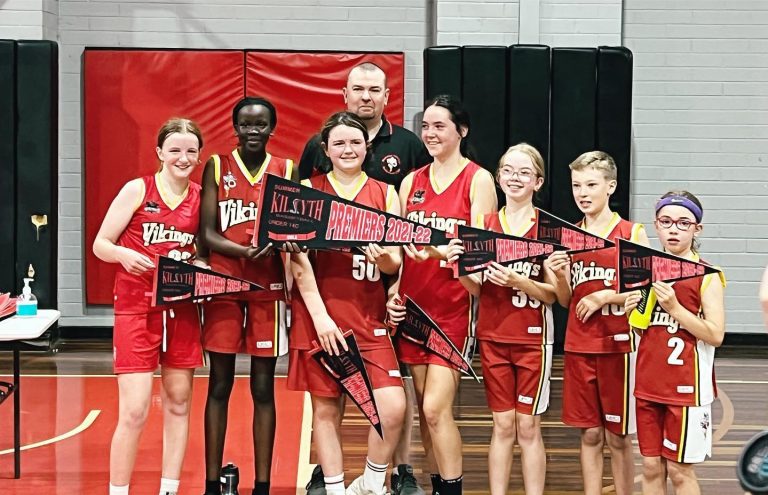

🏀 Good luck to our Vikings Lexi, Sadie, Logan and Lachie, who are representing Kilsyth Cobras in the National Junior Classic this weekend 🐍5️⃣ Cobra teams are headed to the National Junior Classic this weekend 🐍![]()
![]() The National Junior Classic features 16 of the nation's top teams across the U12, U14, U16 and U18 age groups, with this years tournament held at the State Basketball Centre.
The National Junior Classic features 16 of the nation's top teams across the U12, U14, U16 and U18 age groups, with this years tournament held at the State Basketball Centre.![]()
![]() Guzman y Gomez
Guzman y Gomez
Three comedians. One massive night at The Sporting Globe Chirnside Park.![]()
![]() Nick brings country-bred chaos and cult-favourite energy. Billy lands deadpan one-liners with perfect timing. Anna takes the darkest ideas and makes them hilarious.
Nick brings country-bred chaos and cult-favourite energy. Billy lands deadpan one-liners with perfect timing. Anna takes the darkest ideas and makes them hilarious.![]()
![]() These nights fill up fast. Get your tickets now.
These nights fill up fast. Get your tickets now.
🏀 To celebrate our love of basketball and to continue our great sponsorship partnership with The Sporting Globe Chirnside Park Vikings can take advantage of BUY ONE MEAL GET THE SECOND MEAL FREE while any NBA games are on until the end of the season 🏀
Dust off your boots, Country Clubbin' is riding back into The Sporting Globe Chirnside Park!![]()
![]() Grab your hat, round up the crew for Saturday 30 May and get ready for a night that goes hard from the first beat to the last bull ride.
Grab your hat, round up the crew for Saturday 30 May and get ready for a night that goes hard from the first beat to the last bull ride.![]()
![]() 🎧 Remote Sessions spinning country-club bangers
🎧 Remote Sessions spinning country-club bangers ![]() 🐂 Mechanical bull rides - hang on, cowboy
🐂 Mechanical bull rides - hang on, cowboy ![]() 🎁 Best dressed prizes - dress to impress or dress to wrangle
🎁 Best dressed prizes - dress to impress or dress to wrangle ![]() 🍻 Ice-cold drinks in the Beer Garden
🍻 Ice-cold drinks in the Beer Garden![]()
![]() No spurs required. Good times guaranteed.
No spurs required. Good times guaranteed.![]()
![]() Tag your crew and don’t miss the hoedown of the year!
Tag your crew and don’t miss the hoedown of the year!
🏀 To celebrate our love of basketball and to continue our great sponsorship partnership with The Sporting Globe Chirnside Park, Vikings can take advantage of BUY ONE MEAL GET THE SECOND MEAL FREE while any NBA games are on until the end of the season 🏀 ![]()
![]() T & C :
T & C :![]() - The 2nd free meal will be the cheaper item of the two
- The 2nd free meal will be the cheaper item of the two![]() - Any food items are eligible
- Any food items are eligible![]() - Deal available during games at Chirnside Park only
- Deal available during games at Chirnside Park only![]() - Not available to order from the app
- Not available to order from the app![]() - The app MUST be scanned, and have the club listed in the profile
- The app MUST be scanned, and have the club listed in the profile![]() - Valid until June 19th 2026
- Valid until June 19th 2026
📣 Montrose Vikings Basketball Club values the continued support of The Whippy Truck Ice Cream & Gelati ![]()
![]() They are are a second generation, family owned and run local business.
They are are a second generation, family owned and run local business. ![]() Party, birthday, weddings, corporate, sporting, retirement villages, schools, any event they have you covered 🍦
Party, birthday, weddings, corporate, sporting, retirement villages, schools, any event they have you covered 🍦